
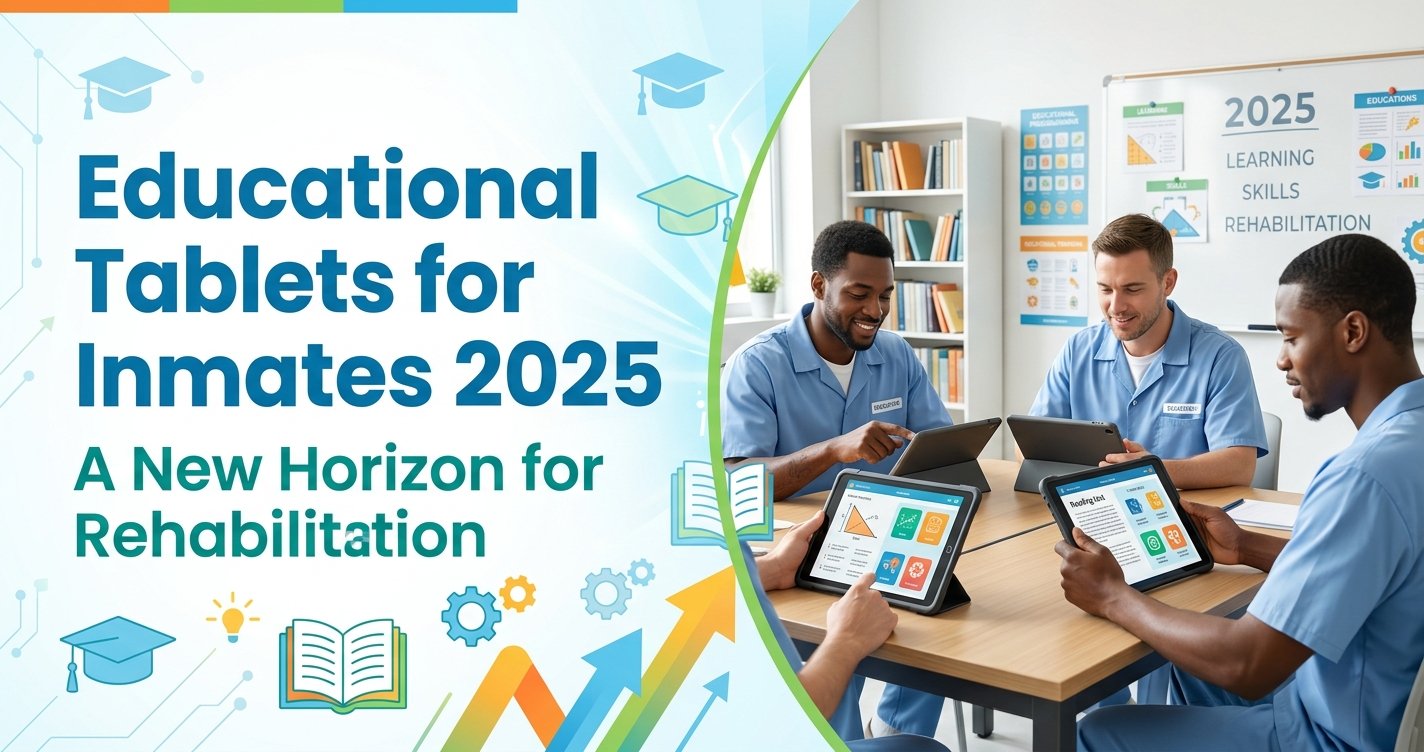
Educational Tablets for Inmates 2025: A New Horizon for Rehabilitation
In the landscape of modern corrections, the conversation is steadily shifting from mere punishment to meaningful rehabilitation. As we look towards 2025, the role of technology, particularly educational tablets for inmates, is poised to become a cornerstone of this transformative approach. At ToyVista, a leading expert in educational tools that empower learning across all demographics, we understand the profound impact that accessible, engaging education can have. This isn't just about providing a device; it's about opening pathways to knowledge, skill development, and ultimately, successful reintegration into society.
The challenges within correctional facilities are multifaceted, ranging from high recidivism rates to the need for effective vocational training. Digital literacy and access to current educational resources are no longer luxuries but necessities in an increasingly digital world. This blog post will delve into why educational tablets are not just a trend but a vital investment for the future of correctional education, exploring their benefits, essential features, and the vision for their widespread adoption by 2025.
The Shifting Paradigm: Education as a Cornerstone of Rehabilitation
For decades, the primary focus of incarceration revolved around punitive measures, often leading to a cycle of re-offending. However, a growing body of evidence and evolving societal perspectives emphasize the critical role of rehabilitation in breaking this cycle. Education stands out as one of the most powerful tools in this endeavor. Studies consistently show that incarcerated individuals who participate in educational programs have significantly lower recidivism rates and improved employment prospects upon release.
As we approach 2025, the demand for effective, scalable educational solutions within correctional facilities is more urgent than ever. Traditional classroom settings often face limitations due to security concerns, staffing shortages, and the diverse educational needs of inmate populations. This is where educational tablets emerge as a game-changer, offering a flexible, individualized, and secure platform to deliver vital learning opportunities.
Why Educational Tablets? The Unparalleled Advantages for 2025
The integration of educational tablets into correctional facilities by 2025 offers a multitude of benefits, addressing many long-standing challenges in inmate rehabilitation.
Bridging the Digital Divide
Many individuals entering correctional facilities lack basic digital literacy skills, creating a significant barrier to employment and successful community reintegration. Educational tablets provide a secure, controlled environment for inmates to learn essential computer skills, navigate digital interfaces, and become comfortable with technology, preparing them for a world where digital proficiency is paramount.
Personalized Learning Paths
Every individual learns at their own pace and has unique educational gaps and strengths. Tablets allow for highly personalized learning experiences, adapting to an inmate's current knowledge level and preferred learning style. This self-paced approach empowers individuals to take ownership of their education, fostering a sense of accomplishment and motivation that traditional group instruction often struggles to provide. By 2025, advanced AI-driven learning platforms on these tablets will further refine this personalization.
Skill Development for Reintegration
Beyond academic subjects, educational tablets can host a vast array of vocational training programs, from coding and graphic design to business skills and culinary arts. Equipping inmates with marketable skills significantly increases their chances of securing stable employment post-release, directly contributing to reduced recidivism. The ability to access up-to-date curriculum relevant to current job markets will be a key differentiator for educational tablets for inmates 2025.
Mental Stimulation and Reduced Idleness
Idleness and lack of constructive engagement can exacerbate mental health issues and lead to behavioral problems within correctional settings. Educational tablets offer a positive outlet for mental stimulation, providing engaging content that can reduce boredom, stress, and anxiety. Access to educational resources can promote positive cognitive activity, fostering a more constructive and safer environment for both inmates and staff.
Cost-Effectiveness and Scalability
While initial investment is required, educational tablets prove to be a highly cost-effective and scalable solution in the long run. They reduce the need for physical textbooks, classroom space, and constant instructor supervision. Content updates can be deployed remotely, and a single device can serve multiple inmates over its lifespan, making it a sustainable model for expanding educational access across diverse correctional populations.
Key Features and Considerations for Educational Tablets in 2025
For educational tablets to be truly effective within the unique environment of correctional facilities, specific features and considerations are paramount:
Robust Security and Controlled Access
Security is non-negotiable. Tablets designed for inmates must have tamper-proof hardware, secure operating systems, and strictly controlled access to approved educational content only. Features like restricted internet access, app whitelisting, and secure content delivery are essential to prevent misuse and maintain facility safety.
Offline Capabilities
Many correctional facilities have limited or no internet connectivity in certain areas. Educational tablets for inmates 2025 must be capable of storing extensive educational content locally, allowing for uninterrupted learning even without constant network access. Regular, secure content updates can then be managed through controlled network connections.
Diverse Educational Content Libraries
The effectiveness of these tablets hinges on the quality and breadth of their content. This includes GED preparation, high school equivalency, college-level courses, vocational training, life skills (financial literacy, parenting), anger management, and substance abuse education. Content should be regularly updated and culturally relevant to maximize engagement and impact.
User-Friendly Interface and Accessibility
Given varying levels of digital literacy, the tablet interface must be intuitive and easy to navigate. Accessibility features for individuals with disabilities (e.g., text-to-speech, larger fonts) are also crucial to ensure equitable access to education for all inmates.
Durable Design and Tamper-Proofing
Correctional environments demand exceptionally durable devices. Tablets must be built to withstand potential impact, resist tampering, and be easy to clean and maintain. Robust casing, secure charging ports, and non-removable components are vital for longevity and safety.
Analytics and Progress Tracking
To measure the impact of educational programs and tailor interventions, tablets should offer robust analytics and progress tracking features. This data can inform program effectiveness, identify areas where inmates struggle, and provide valuable insights for correctional educators and administrators.
ToyVista's Vision: Beyond Traditional Education
At ToyVista, our expertise in educational tools extends beyond the conventional classroom, embracing innovative approaches to learning and development. We believe that true rehabilitation involves not just academic knowledge but also critical thinking, problem-solving, and practical skill acquisition. While educational tablets provide structured academic and vocational content, the broader principles of learning extend to hands-on problem-solving and critical thinking. For instance, the skills honed through engaging with tools like this top-rated robotic building kit—meticulous planning, sequential execution, and troubleshooting—are invaluable. These cognitive abilities are transferable and essential for individuals preparing to re-enter society, whether they are learning coding on a tablet or constructing a physical model. This demonstrates that effective educational tools, regardless of format, share a common goal: empowering individuals through knowledge and practical competence. Our vision for 2025 sees educational tablets integrating more elements of interactive and experiential learning, drawing inspiration from the best practices in educational play to make learning more engaging and effective for incarcerated individuals.
Challenges and Solutions in Implementing Educational Tablets
While the benefits are clear, implementing educational tablets in correctional facilities presents unique challenges that require thoughtful solutions.
Funding and Budget Allocation
The initial investment for a robust tablet program can be substantial. Solutions include seeking federal and state grants dedicated to correctional education, forging partnerships with non-profit organizations, and demonstrating the long-term cost savings associated with reduced recidivism and improved public safety.
Staff Training and Support
Correctional staff and educators will require comprehensive training on how to manage, deploy, and support the educational tablets. Ongoing technical support and professional development will be crucial to ensure the successful integration and sustained use of the technology.
Content Curation and Updates
Ensuring that educational content remains relevant, engaging, and aligned with current industry standards is an ongoing task. Establishing partnerships with educational content providers and implementing a streamlined system for content review and updates will be essential for keeping the curriculum fresh and impactful.
Overcoming Resistance to Change
Any significant technological shift can encounter resistance from staff or even some inmates. Demonstrating the tangible benefits through pilot programs, sharing success stories, and involving key stakeholders in the planning process can help build buy-in and foster a collaborative environment.
The Future is Now: Preparing for 2025 and Beyond
As 2025 approaches, the potential for educational tablets to revolutionize correctional education is immense. We can anticipate further advancements, including more sophisticated AI-driven adaptive learning platforms, integration of virtual reality for vocational training simulations (in highly controlled environments), and enhanced biometric security features. The focus will remain on creating a secure, empowering, and effective learning ecosystem that prepares individuals for a productive life beyond incarceration.
Investing in educational tablets for inmates is not just an act of compassion; it is a strategic investment in public safety, economic development, and the fundamental belief in an individual's capacity for change. Facilities that embrace this technology will be at the forefront of a movement that transforms lives and builds stronger communities.
Conclusion
The journey towards a more rehabilitative correctional system is ongoing, and educational tablets represent a powerful leap forward. By 2025, these devices will be indispensable tools, offering incarcerated individuals unprecedented access to education, skill development, and personal growth. They bridge digital divides, foster personalized learning, and significantly contribute to reducing recidivism rates, ultimately leading to safer communities and more productive citizens.
At ToyVista, we champion the power of learning in all its forms, and we stand ready to support institutions in exploring and implementing the most effective educational solutions. The future of rehabilitation is digital, accessible, and transformative, and educational tablets for inmates are leading the charge into this new horizon.


