As a leading expert in educational toys, ToyVista understands the delicate balance between modern technology and foundational childhood development. The digital age has ushered in an era where screens are an undeniable part of our daily lives, and for many parents, the thought of introducing tablets to preschoolers can be both exciting and daunting. Are they merely a source of distraction, or can they truly be powerful tools for early learning? The answer, as we at ToyVista have discovered through extensive research and experience, lies in mindful selection and integration.
This comprehensive guide aims to demystify the world of educational tablets for preschoolers. We'll explore how these devices, when chosen wisely and used appropriately, can become invaluable allies in fostering cognitive skills, creativity, and a love for learning in your little ones. Join us as we delve into the benefits, features to look for, and best practices for integrating educational tablets into your child's developmental journey.
The Evolving Landscape of Early Childhood Education
The classroom of today looks vastly different from that of previous generations, and early childhood education is no exception. Technology, once a novelty, is now an integrated component of many preschool curricula, recognizing that children are growing up in an increasingly digital world. Far from replacing traditional teaching methods or hands-on play, well-designed educational technology, including tablets, serves as an enhancement, offering new avenues for exploration and engagement.
Preschoolers are naturally curious and eager to learn. Their developing brains are sponges, absorbing information and forming connections at an incredible pace. When technology is tailored to their developmental stage, it can harness this innate curiosity, providing interactive experiences that reinforce concepts learned through books, toys, and real-world interactions. The key is to move beyond passive consumption and embrace active, guided learning.
More Than Just Entertainment: The Educational Edge
It's crucial to distinguish between a regular tablet loaded with games and an educational tablet specifically designed for preschoolers. The latter is crafted with pedagogical principles in mind, focusing on age-appropriate content that stimulates intellectual growth rather than merely occupying time. These tablets often feature:
- Curriculum-Aligned Apps: Software that teaches letters, numbers, shapes, colors, and basic problem-solving skills.
- Interactive Storytelling: Apps that bring books to life, enhancing literacy and comprehension.
- Creative Expression Tools: Digital art studios, music creation apps, and virtual building blocks.
- Adaptive Learning: Programs that adjust difficulty based on the child's progress, keeping them challenged but not frustrated.
When used thoughtfully, an educational tablet transforms into a personalized learning center, adapting to your child's pace and interests, making learning an exciting adventure rather than a chore.
What Makes an Educational Tablet "Preschooler-Perfect"?
Choosing the right tablet for a preschooler isn't about picking the latest gadget; it's about selecting a tool that aligns with their developmental needs and your family's values. Here are the critical factors ToyVista recommends considering:
Age-Appropriate Content is King
The quality of the content is paramount. Look for tablets that come pre-loaded with or offer access to a curated library of educational apps, games, and videos specifically designed for the 3-5 age group. This content should be:
- Developmentally Sound: Activities that challenge but don't overwhelm.
- Engaging and Interactive: Keeps children actively involved rather than passively watching.
- Diverse: Covers a range of subjects from literacy and numeracy to science and art.
- Ad-Free and Kid-Safe: No in-app purchases or inappropriate external links.
Many reputable educational tablet brands collaborate with educators and child development specialists to ensure their content meets these high standards.
Durability to Withstand Tiny Hands
Let's be realistic: preschoolers are not known for their gentle handling of electronics. A truly effective educational tablet for this age group must be built like a tank. Look for features suchs as:
- Rugged Casings: Often made from silicone or durable plastic to absorb shocks.
- Drop Protection: Designed to survive falls from typical table heights.
- Spill Resistance: While not fully waterproof, some offer protection against minor splashes.
- Kid-Friendly Design: Easy for small hands to grip.
Investing in a durable tablet means fewer worries about accidental damage and a longer lifespan for the device.
Parental Controls & Safety Features
This is non-negotiable. Robust parental controls are essential for managing screen time, filtering content, and monitoring your child's activities. Key features include:
- Time Limits: Set daily limits for tablet usage.
- Content Filtering: Restrict access to specific apps, websites, or categories.
- Activity Reports: See what apps your child is using and for how long.
- Kid Profiles: Create personalized profiles for each child.
- Secure Browsing: Ensure a safe online environment if internet access is enabled.
These controls empower parents to guide their child's digital experience responsibly and protect them from inappropriate content.
User-Friendly Interface
A preschooler's tablet should be intuitive and easy for them to navigate independently. Cluttered screens or complex menus will only lead to frustration. Look for:
- Large Icons: Easy to tap and recognize.
- Simple Navigation: Clear pathways to apps and content.
- Visual Cues: Minimal text, relying on images and audio prompts.
- Responsive Touchscreen: Smooth and accurate response to tiny fingers.
The goal is to empower children to explore and learn without constant adult intervention.
Portability & Battery Life
While often used at home, a portable tablet can be a lifesaver during travel or waits. A lightweight design and a decent battery life (at least 6-8 hours of active use) ensure that the learning can continue wherever your family goes.
Engaging & Interactive Learning
The best educational tablets for preschoolers go beyond static images and simple tapping. They offer interactive experiences that engage multiple senses and encourage active participation. This includes:
- Voice Prompts and Feedback: Guiding children through activities and praising their efforts.
- Animated Characters: Making learning more fun and relatable.
- Mini-Games and Puzzles: Reinforcing concepts in an entertaining way.
- Customizable Avatars and Rewards: Adding a layer of personalization and motivation.
Such features keep children captivated and motivated to continue their learning journey.
Benefits of Integrating Educational Tablets into Preschool Learning
When carefully selected and thoughtfully integrated, educational tablets can unlock a myriad of developmental benefits for preschoolers:
Fostering Early Literacy & Numeracy Skills
Tablets offer a dynamic platform for introducing foundational skills. Apps designed for preschoolers can teach letter recognition, phonics, sight words, and basic counting. Interactive storybooks can improve vocabulary and comprehension. Games focused on number matching, sequencing, and simple addition lay the groundwork for mathematical understanding. The multi-sensory nature of these apps can make abstract concepts more concrete and understandable for young learners.
Enhancing Cognitive Development
Many educational apps are cleverly designed to boost critical cognitive functions. Puzzles, memory games, and problem-solving activities improve logical reasoning, spatial awareness, and memory recall. Tasks that require children to sort, categorize, or follow a sequence of instructions help develop executive functions, which are vital for planning and organization.
Boosting Creativity & Imagination
Digital art studios, music composition tools, and virtual building games on tablets provide boundless opportunities for creative expression. Children can experiment with colors, shapes, sounds, and structures without the mess or limitations of physical materials. This freedom encourages imaginative play and allows them to bring their unique ideas to life in a digital medium.
Developing Fine Motor Skills
The act of tapping, swiping, dragging, and pinching on a touchscreen helps refine fine motor skills and hand-eye coordination. These precise movements are crucial for tasks like writing, drawing, and manipulating small objects. While not a replacement for traditional activities, tablet interaction can be a valuable supplement.
Preparing for a Digital Future
In an increasingly digital world, early exposure to technology in a guided, educational context can help children develop digital literacy from a young age. They learn how to interact with interfaces, navigate digital environments, and understand the basic functionalities of devices, preparing them for future academic and professional challenges.
Addressing Common Parental Concerns
It's natural for parents to have reservations about screen time for young children. ToyVista believes in addressing these concerns head-on with practical advice.
Screen Time Management
The American Academy of Pediatrics recommends limiting screen time for preschoolers to 1 hour per day of high-quality programming. Educational tablets fit within this guideline, provided the content is truly educational and interactive. The key is moderation and balance. Use parental controls to enforce time limits, and ensure tablet time is part of a varied daily routine.
Content Quality & Selection
Not all apps are created equal. Be discerning. Read reviews, check app ratings, and, most importantly, try the apps yourself before handing the tablet to your child. Look for apps developed by reputable educational companies or those recommended by early childhood educators. Focus on apps that encourage active participation, problem-solving, and creativity, rather than passive viewing.
Balancing Digital and Traditional Play
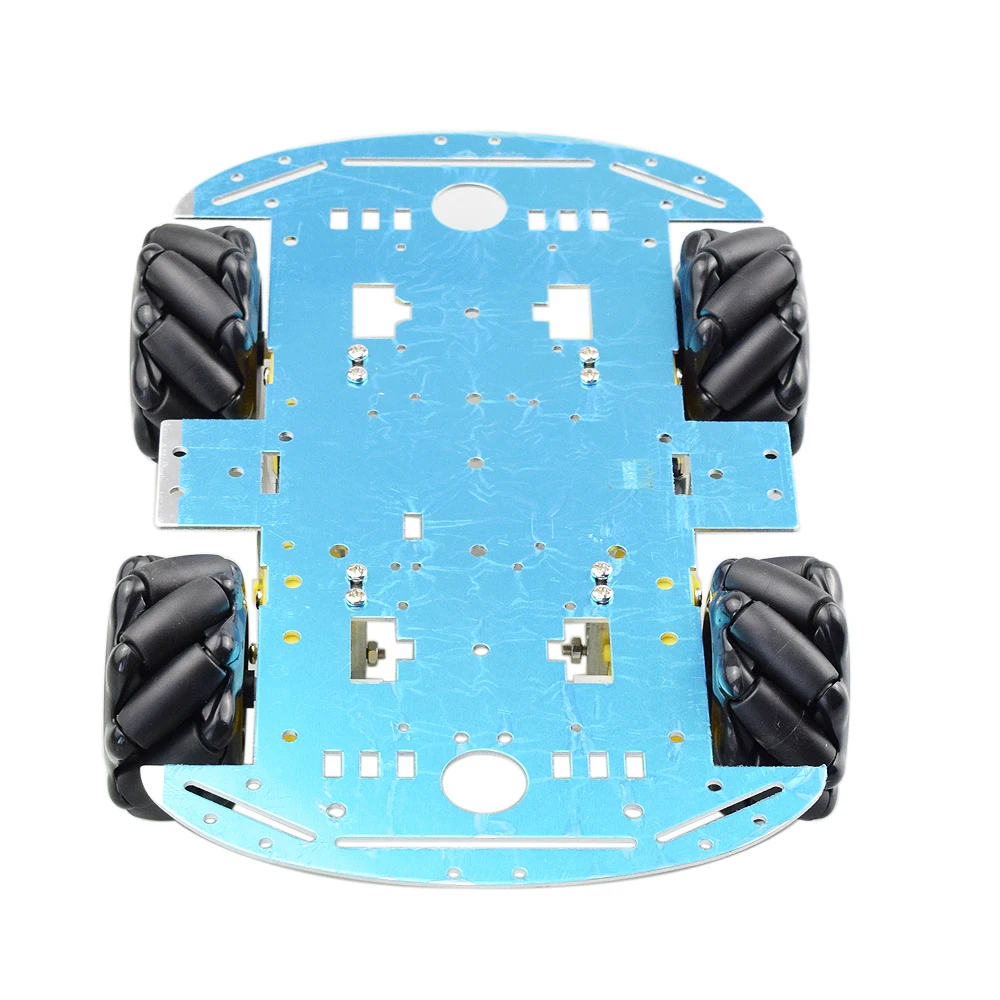
While educational tablets offer fantastic learning opportunities, they should never replace hands-on, tangible play, outdoor exploration, or social interaction. A well-rounded childhood includes a mix of activities that stimulate different areas of development. Encourage your child to switch between tablet learning, building with blocks, drawing with crayons, playing outdoors, and engaging in imaginative role-play. For instance, while tablets offer digital engagement, combining them with physical, hands-on activities like building and coding can provide a truly comprehensive learning experience. Products like this top-rated robotic building kit offer an excellent way for preschoolers to develop problem-solving skills, spatial reasoning, and an early understanding of engineering principles away from the screen. This holistic approach ensures children develop a broad range of skills and experiences.
ToyVista's Expert Tips for Choosing the Best Educational Tablet
Based on our extensive experience in educational toys, here are ToyVista's top recommendations for parents considering an educational tablet:
- Prioritize Content Over Brand: Focus on the quality and relevance of the pre-loaded or available apps.
- Read Reviews: Look for feedback from other parents regarding durability, battery life, and ease of use.
- Consider Ecosystem: Some tablets are part of larger learning ecosystems that offer ongoing content updates and support.
- Set Boundaries Early: Establish clear rules for tablet usage from day one.
- Co-Play: Engage with your child during tablet time. Ask questions, discuss what they're learning, and make it a shared experience.
- Don't Be Afraid to Experiment: What works for one child might not work for another. Be open to trying different apps and approaches.
The Future of Preschool Learning: A Balanced Approach
The integration of technology into early childhood education is not a trend; it's a progression. Educational tablets, when used thoughtfully, are powerful tools that can enhance a preschooler's learning journey, fostering curiosity, developing essential skills, and preparing them for the digital world ahead. They are not a substitute for human interaction, outdoor play, or traditional toys, but rather a valuable complement.
At ToyVista, we champion a balanced approach to early learning, one that embraces the best of both worlds – the tactile richness of traditional play and the interactive innovation of educational technology. By making informed choices and setting clear boundaries, parents can confidently introduce educational tablets for preschoolers as a positive and enriching element in their child's development.
Explore ToyVista's curated selection of educational toys and resources to find the perfect blend of digital and hands-on learning experiences for your child today!