Evaluating a Hypothetical Unilever Toy Company: Benchmarking DEIB Against LEGO's Gold Standard
The world of toys is far more than just play; it's a powerful shaper of young minds and future perspectives. Every doll, action figure, building block, or game carries with it implicit messages about identity, possibility, and belonging. In an increasingly interconnected and diverse global society, the principles of Diversity, Equity, Inclusion, and Belonging (DEIB) are no longer mere buzzwords but essential pillars for responsible businesses, especially those catering to children.
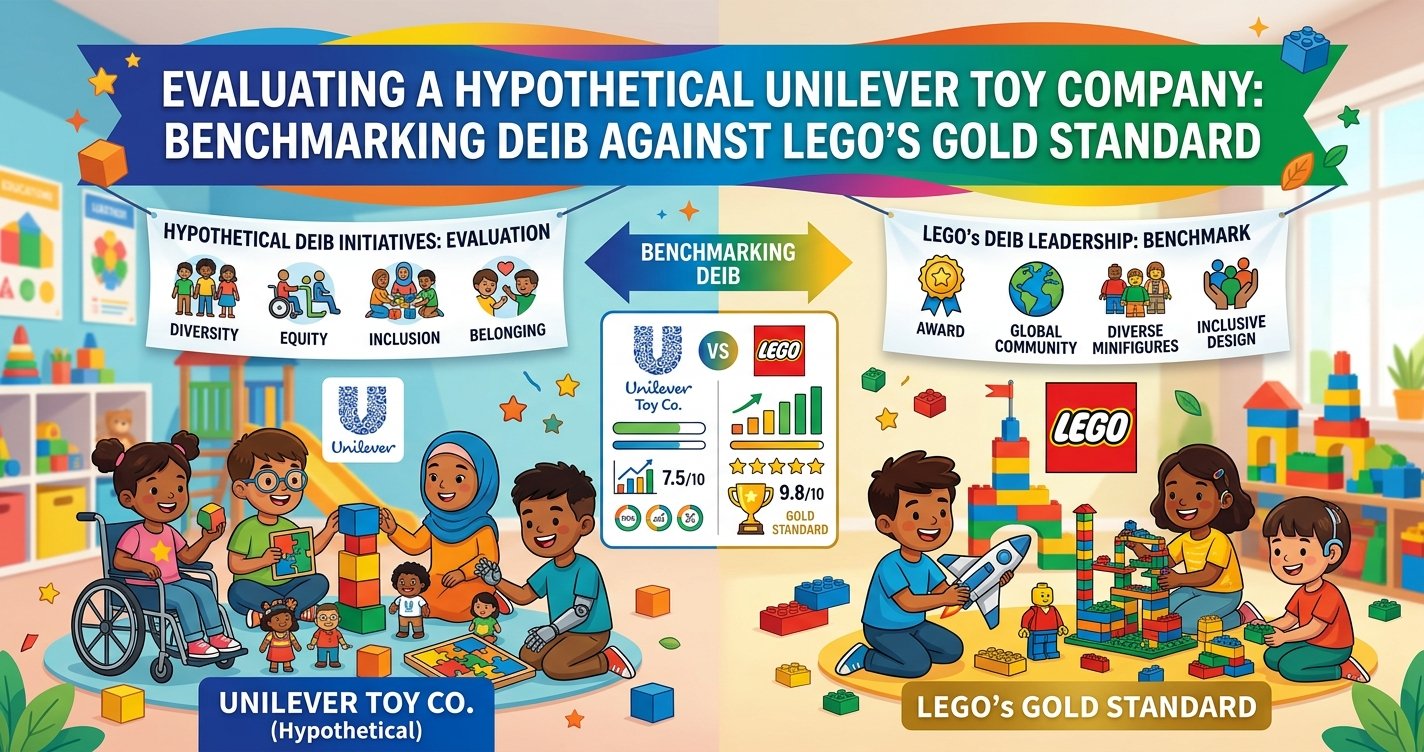
At ToyVista, a leading expert in educational toys, we constantly analyze the landscape of play, focusing on innovation, developmental benefits, and ethical practices. Today, we embark on a fascinating thought experiment: What if a global consumer goods giant like Unilever, known for its vast portfolio of household and personal care brands but not traditionally for toys, decided to enter this highly specialized space? How would its approach to DEIB stack up against a recognized industry leader like LEGO, a company celebrated for its progressive stance on inclusive play? Our aim is to deeply evaluate the toys company Unilever on LEGO DEIB standards, exploring the profound implications for children's development and the future of educational play.
The Growing Imperative of DEIB in the Toy Industry
For too long, the toy industry, like many others, operated with a narrow view of its audience, often perpetuating stereotypes through product design, marketing, and representation. However, as parents, educators, and children themselves become more vocal about the need for authentic and diverse representation, the industry is undergoing a significant transformation. Toys are not just objects; they are tools through which children understand themselves and the world around them. When a child sees themselves reflected in their toys, it fosters self-esteem and a sense of belonging. Conversely, a lack of representation can lead to feelings of invisibility or marginalization.
The market demand for diverse and inclusive toys is undeniable. Modern parents actively seek out products that challenge gender norms, celebrate different cultures, depict various abilities, and represent diverse family structures. This shift isn't just a trend; it's a fundamental recognition of brand responsibility and the profound impact toys have on societal values.
Why DEIB Matters for Children's Development
Integrating DEIB principles into toy design and marketing yields immense developmental benefits for children:
- Cognitive Benefits: Exposure to diverse characters and narratives broadens children's perspectives, enhancing their understanding of different cultures, lifestyles, and experiences. It fosters critical thinking and helps them challenge preconceived notions.
- Emotional Benefits: For children from underrepresented groups, seeing themselves positively reflected in toys can significantly boost self-esteem and a sense of validation. For all children, it cultivates empathy, teaching them to appreciate differences and connect with others on a deeper level.
- Social Benefits: Inclusive toys encourage imaginative play that transcends traditional boundaries, promoting social skills, cooperation, and an understanding of equity. They prepare children for a diverse world where respect and understanding are paramount.
LEGO's Benchmark: A Pioneer in Inclusive Play
When discussing DEIB in the toy industry, LEGO consistently stands out as a leading example. While even LEGO has had its journey of evolution, the company has, particularly in recent years, intensified its focus on creating a truly inclusive play experience. From its iconic minifigures to its global marketing campaigns, LEGO has demonstrated a commitment to breaking down barriers and reflecting the true diversity of the world.
Examples of LEGO's commitment include introducing minifigures with various skin tones, disabilities (e.g., characters in wheelchairs), and diverse professions that challenge traditional gender roles. Their marketing campaigns increasingly feature children from all backgrounds, engaging in creative play together, rather than segmenting by gender. The evolution of lines like LEGO Friends, which initially faced criticism for gender stereotyping, showcases the company's willingness to listen, adapt, and improve its representation of girls and diverse friendships.
Key Pillars of LEGO's DEIB Strategy
LEGO's success in DEIB can be attributed to a multi-faceted strategy:
- Product Design: A conscious effort to design characters, sets, and play experiences that are accessible, representative, and engaging for all children, irrespective of gender, ethnicity, or ability.
- Marketing & Communication: Challenging stereotypes through advertising, promoting gender-neutral play, and showcasing the joy of building for everyone.
- Workplace Culture: Ensuring that the internal workforce at LEGO is diverse, reflecting the global community it serves. This internal diversity often translates to more inclusive and innovative product development.
- Community Engagement: Partnerships with organizations dedicated to promoting diversity, education, and social inclusion, reinforcing their commitment beyond just product sales.
- Commitment to Global Standards: Adherence to principles like the UN Guiding Principles on Business and Human Rights, ensuring ethical practices throughout their operations.
A Hypothetical Evaluation: Unilever as a Toy Company and DEIB
Now, let's turn to our thought experiment. Unilever is a corporate behemoth with a strong reputation for social responsibility and sustainability across its existing brands. Its DEIB initiatives are well-documented, from advocating for gender equality in advertising (e.g., Dove's 'Real Beauty' campaign) to supporting social justice causes (e.g., Ben & Jerry's activism). The question is, how would these deep-seated values and extensive resources translate if Unilever were to become a 'toys company'?
Leveraging Brand Power for Inclusive Product Design
If Unilever were to launch a toy division, it would enter the market with a significant advantage: immense brand recognition and a global reach. Imagine toys that reflect the diversity seen in their food, personal care, and home care advertisements. They could introduce character lines with varied backgrounds, abilities, and family structures from the outset, setting a new standard for inclusivity across different toy categories – from dolls and action figures to construction sets and board games. The challenge, however, would be to move beyond superficial representation and ensure authenticity, avoiding tokenism in favor of deeply considered, culturally sensitive, and truly inclusive design.
Supply Chain and Workforce Diversity
Unilever's existing scale and influence in global supply chains could be a game-changer for the toy industry's DEIB landscape. They could mandate stringent DEIB standards for their toy manufacturing partners, ensuring fair labor practices, diverse workforces, and ethical sourcing of materials – all critical components of equity in a global business context. Internally, a Unilever toy division would likely be built on the company's existing commitment to a diverse and inclusive workforce, ensuring that the teams designing and marketing toys themselves reflect a multitude of perspectives, leading to more genuinely inclusive products.
Marketing and Representation
Unilever's advertising prowess is legendary. If applied to toys, this could mean revolutionary marketing campaigns that actively challenge gender norms, celebrate different cultures, and promote empathy and understanding. Learning from LEGO, they could focus on the universal joy of creative play, rather than segmenting toys by gender or any other restrictive category. Such campaigns could significantly shift societal perceptions of play and identity. Speaking of innovative toy design that champions both educational value and inclusive play, products like this top-rated robotic building kit exemplify how thoughtful engineering can inspire children of all backgrounds to explore STEM fields, fostering a sense of belonging and capability in technology. Such offerings align perfectly with a DEIB-focused approach to toy development, proving that advanced educational tools can be universally appealing.
The Educational Impact: Beyond Play
The impact of DEIB-focused toys extends far beyond the playroom. By providing children with diverse role models and narratives, these toys prepare them for a multicultural, multi-faceted world. They help children develop a nuanced understanding of social justice, equality, and the importance of advocating for others. This kind of early exposure fosters a generation that is more empathetic, inclusive, and ready to contribute positively to society.
The Role of Educational Toys in Fostering DEIB
Educational toys are uniquely positioned to advance DEIB principles. They can:
- Provide Hands-on Learning: Teach about different cultures, historical figures, scientific principles, and artistic expressions from diverse perspectives.
- Develop Critical Thinking: Encourage children to question stereotypes and biases they might encounter in media or society.
- Promote Empathy: Through role-playing with diverse characters, children can step into different shoes, understanding varied experiences and emotions.
- Foster Skill Development for All: Ensure that toys designed for STEM, arts, or other skill development are equally appealing and accessible to children of all genders and backgrounds.
Challenges and Opportunities for New Entrants
Even for a company as large as Unilever, entering the toy market would present challenges, including market saturation, intense competition from established players like LEGO, and the need to authentically integrate DEIB rather than performatively. However, the opportunities are equally vast. Unilever could leverage its existing brand trust and consumer insights to innovate rapidly, capturing a growing market segment that prioritizes ethical and inclusive products. Their resources and global reach would allow them to scale DEIB initiatives quickly and effectively, potentially setting new industry benchmarks and challenging existing leaders.
Conclusion
The thought experiment of evaluating a hypothetical Unilever toy company against LEGO's DEIB standards reveals a fascinating potential. With its extensive resources, established commitment to social responsibility, and powerful global brands, Unilever could undoubtedly become a significant player in the inclusive toy market, potentially even complementing or challenging LEGO's leadership in this crucial area. The imperative for DEIB in the toy industry is clear: it's not just good for business, it's essential for nurturing a generation of children who are empathetic, confident, and ready to embrace a diverse world.
As parents and consumers, our choices matter. By actively seeking out and supporting companies committed to DEIB, we can drive positive change within the industry. At ToyVista, we remain dedicated to highlighting products and brands that not only entertain and educate but also foster a deeper sense of belonging and understanding for every child.