Unlocking Potential: The Transformative Power of Open-Ended Educational Toys for Your Child's Growth
As parents, we constantly seek the best tools to nurture our children's development, creativity, and love for learning. In a world increasingly saturated with screen time and highly structured activities, there's a quiet revolution happening in the toy box: the rise of open-ended educational toys. These aren't just playthings; they are gateways to profound learning experiences, offering a unique blend of fun and developmental benefits that closed-ended toys simply can't match. If you're looking to foster imagination, critical thinking, and a lifelong love of learning, understanding the magic of open-ended play is your first step.
This article will delve into what makes these toys so special, explore their multifaceted benefits for holistic child development, and guide you on how to incorporate them into your child's playtime for maximum impact. Prepare to be amazed by how simple blocks or a set of loose parts can build not just towers, but brighter futures! this excellent toy product
What Exactly Are Open-Ended Educational Toys?
The term 'open-ended' refers to toys that don't have a single, predetermined outcome or way to play. Unlike a puzzle with one correct solution or a battery-operated toy that performs a specific action, open-ended educational toys invite children to dictate the play. They are catalysts for imagination, allowing children to impose their own meaning, rules, and narratives. Think of them as blank canvases for young minds.
Common examples include:
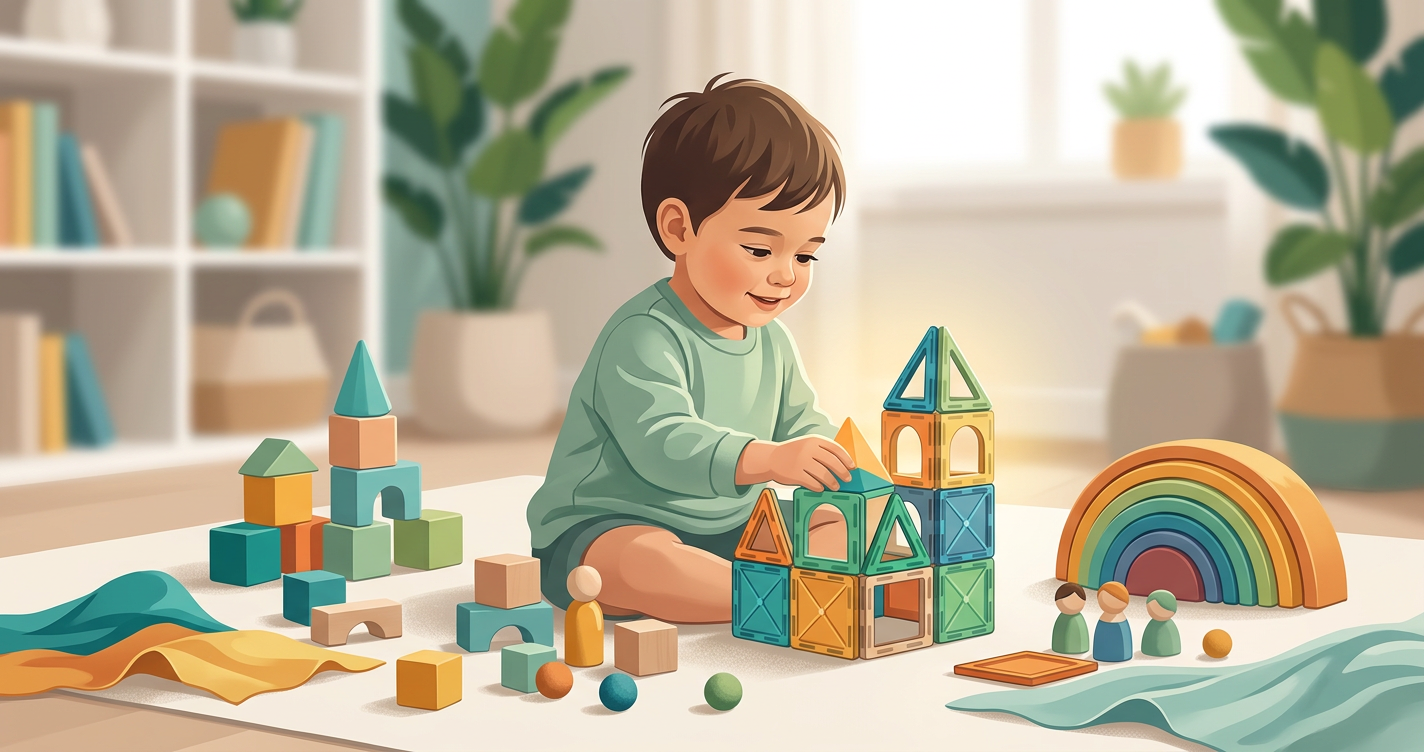
- Building Blocks: Wooden blocks, LEGOs (when used for free building), magnetic tiles.
- Art Supplies: Crayons, paints, playdough, clay, various craft materials.
- Loose Parts: Natural materials like pebbles, sticks, shells; recycled items like cardboard tubes, fabric scraps; small, intriguing objects.
- Dramatic Play Props: Dress-up clothes, dolls, animal figures, miniature vehicles.
- Sensory Bins: Rice, beans, water, sand with scoops and small toys.
The beauty of these toys lies in their versatility. A block can be a car, a phone, a piece of food, or part of a towering castle. This adaptability is crucial for engaging multiple facets of a child's brain and encouraging deeper, more meaningful play.
Fueling Imagination and Creativity
One of the most immediate and profound benefits of open-ended toys is their ability to ignite a child's imagination. When a toy doesn't tell a child what to do, the child must invent it themselves. This process is a powerful workout for the creative muscles.
Developing Storytelling and Role-Playing
With open-ended toys, children are constantly creating narratives. A child might use a few scarves and some blocks to build a fort, then transform into a brave knight defending their kingdom, or a chef preparing a feast. This kind of imaginative play is vital for:
- Language Development: Children practice new vocabulary, sentence structures, and communication skills as they narrate their play.
- Abstract Thinking: They learn to use symbols and representational thinking (e.g., a stick becomes a magic wand).
- Emotional Expression: Role-playing allows children to explore different emotions and perspectives in a safe environment.
Research consistently highlights that imaginative play is not just fun; it's a cornerstone of cognitive and social development, helping children to think flexibly and innovatively.
Cultivating Critical Thinking and Problem-Solving Skills
Beyond imagination, open-ended educational toys are instrumental in developing vital critical thinking and problem-solving abilities. When children engage with these toys, they encounter challenges that require them to strategize, experiment, and adapt.
Trial and Error in Action
Building a tall tower with blocks requires understanding balance, gravity, and spatial relationships. If the tower falls, a child learns about cause and effect and must devise a new strategy. They might try different block arrangements, experiment with a wider base, or use different materials. This iterative process of trial and error teaches resilience and persistence.
- Spatial Reasoning: Children learn about shapes, sizes, and how objects fit together.
- Logical Thinking: They develop hypotheses and test them through play.
- Adaptability: When initial plans don't work, children learn to adjust and find alternative solutions.
These experiences lay the groundwork for academic success in subjects like math and science, fostering a 'growth mindset' where challenges are seen as opportunities for learning.
Boosting Social-Emotional Development
Play, especially with open-ended toys, is a powerful vehicle for social and emotional growth. When children play together with these versatile items, they naturally engage in complex social interactions.
Learning to Share, Negotiate, and Empathize
Imagine two children building a city together with blocks and loose parts. They must decide who gets which pieces, where to place buildings, and how their individual creations will fit into a larger shared vision. This process involves:
- Sharing and Cooperation: Learning to take turns and work towards a common goal.
- Negotiation and Compromise: Resolving disagreements and finding mutually agreeable solutions.
- Empathy: Understanding another child's perspective or desires during collaborative play.
- Self-Regulation: Managing frustrations when things don't go as planned and understanding social cues.
These skills are not just important for the playground; they are foundational for healthy relationships, teamwork, and navigating the complexities of life.
Enhancing Fine and Gross Motor Skills
While often overlooked, the physical interaction with open-ended educational toys significantly contributes to a child's motor skill development.
From Pincer Grasp to Full-Body Coordination
Manipulating small blocks, threading beads, molding playdough, or painting with a brush all refine fine motor skills – the coordination of small muscles, especially in the hands and fingers. These are crucial for tasks like writing, drawing, and self-care.
On the other hand, activities like building large forts with blankets and pillows, pushing large toy cars, or climbing on play structures (often made more interesting with open-ended additions) engage gross motor skills. These involve the larger muscles and are essential for balance, coordination, and overall physical development.
By offering a rich array of textures, shapes, and sizes, open-ended toys provide diverse sensory input that further supports motor skill refinement and sensory integration.
Long-Term Benefits: Preparing for a Future of Innovation
The skills fostered by open-ended play aren't just for childhood; they are critical for lifelong success in an ever-evolving world. Children who regularly engage in this type of play are better equipped to face future challenges.
Fostering Adaptability and Intrinsic Motivation
In a future demanding innovation, adaptability, and complex problem-solving, children who have practiced these skills through play will have a distinct advantage. Open-ended play encourages:
- Intrinsic Motivation: Children play because they want to, not for external rewards, fostering a genuine love for learning and exploration.
- Innovation: They learn to think outside the box, generating novel ideas and solutions.
- Resilience: Experiencing setbacks and overcoming them builds confidence and perseverance.
By providing these types of toys, we're not just entertaining our children; we're investing in their cognitive flexibility and preparing them to thrive in a world that values creativity and critical thought above all else.
Choosing the Right Open-Ended Toys for Your Child
Ready to transform your child's playtime? Here are some tips for selecting and utilizing open-ended educational toys:
- Prioritize Durability and Safety: Choose toys made from high-quality, non-toxic materials that can withstand years of imaginative play.
- Consider Age-Appropriateness: While many open-ended toys are timeless, ensure smaller parts are safe for younger children (e.g., avoid choking hazards for babies and toddlers).
- Start with the Basics: You don't need a huge collection. A good set of wooden blocks, some art supplies, and a few loose parts can go a long way.
- Mix Materials: Combine different types of open-ended toys. For example, add animal figures to blocks, or fabric scraps to a sensory bin.
- Embrace Nature: Don't underestimate the power of natural loose parts like leaves, pinecones, and sticks found on a nature walk.
- Less is Often More: A smaller selection of versatile toys can encourage deeper engagement than an overwhelming number of single-purpose items.
- Observe and Facilitate: Watch how your child plays. Sometimes a simple question like, "What are you building?" or "Tell me about your story" can extend their play without directing it.
Conclusion
The world of open-ended educational toys is a powerful one, offering a holistic approach to child development that nurtures imagination, sharpens critical thinking, builds social-emotional intelligence, and refines motor skills. These toys are not just objects; they are catalysts for self-discovery, creativity, and a lifelong love of learning. By embracing open-ended play, we empower our children to become active participants in their own development, equipping them with the essential skills to navigate and innovate in an ever-changing world. So, clear out some clutter, make room for possibilities, and watch your child's potential truly unfold.