
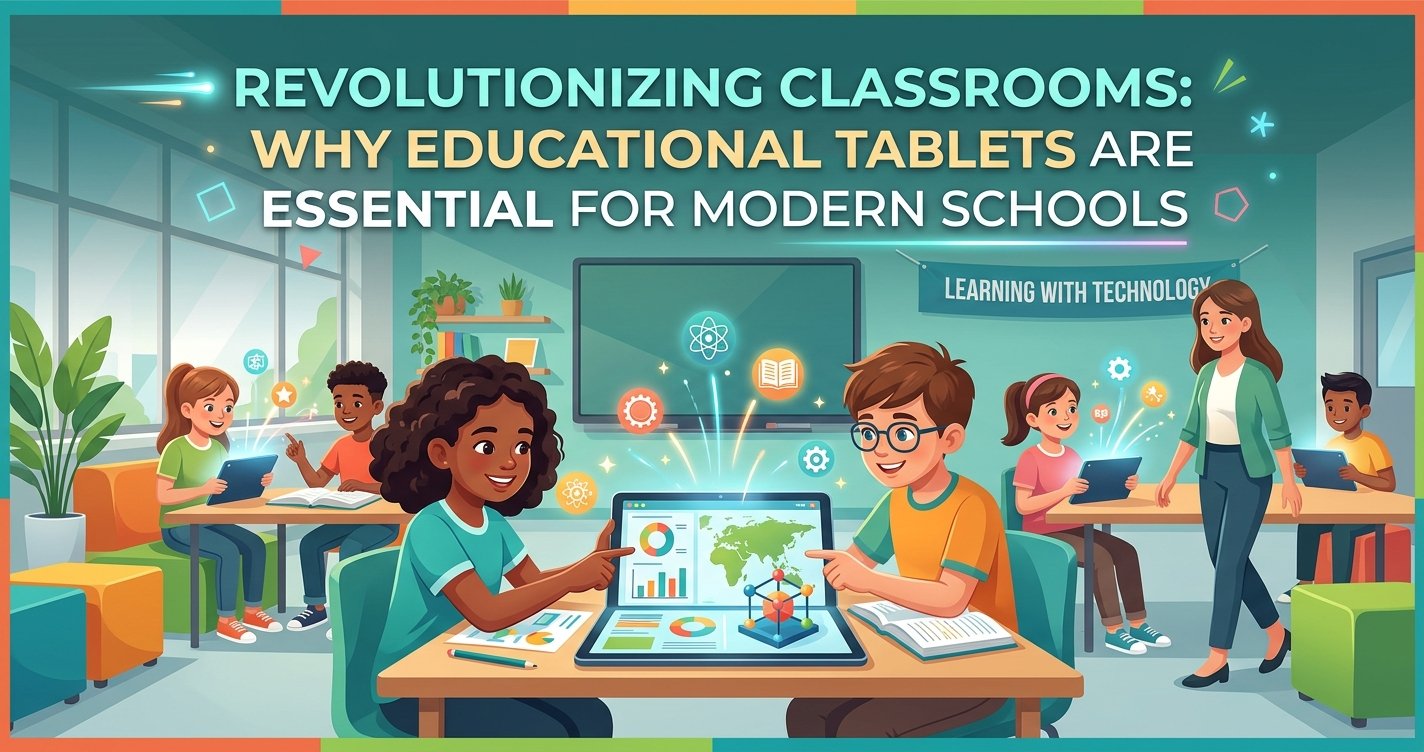
The landscape of education is undergoing a profound transformation. As digital natives fill our classrooms, the traditional chalkboard and textbook model is increasingly complemented, and in many cases, enhanced by innovative technology. At the forefront of this revolution are educational tablets for schools – powerful, versatile devices that are reshaping how students learn and teachers teach. At ToyVista, a leading expert in educational toys and learning solutions, we understand the critical role technology plays in fostering 21st-century skills. This comprehensive guide explores why integrating educational tablets is not just a trend, but a necessity for preparing students for a future driven by innovation and digital fluency.
The Transformative Power of Educational Tablets in the Classroom
Educational tablets are more than just gadgets; they are gateways to dynamic learning experiences. Their integration into the school environment offers a myriad of benefits that extend far beyond simple digital access, fundamentally altering the pedagogical approach and student outcomes.
Enhanced Engagement and Interactive Learning
One of the most immediate impacts of educational tablets is their ability to captivate and engage students. Unlike static textbooks, tablets offer a universe of interactive content: educational apps, multimedia presentations, virtual field trips, and gamified learning platforms. This interactivity transforms passive learning into an active exploration, where students can manipulate variables, solve puzzles, and collaborate on projects in real-time. The tactile nature of tablets, combined with rich visual and auditory stimuli, caters to diverse learning styles, making complex subjects more accessible and enjoyable. From animated science experiments to interactive language lessons, tablets make learning an adventure, not a chore.
Personalised Learning Paths for Every Student
Every student learns at their own pace and possesses unique strengths and challenges. Educational tablets empower educators to deliver truly personalized learning experiences. Adaptive learning software can assess a student's proficiency and tailor content, exercises, and challenges to their individual needs. This means advanced students can delve deeper into subjects, while those needing extra support can receive targeted interventions and additional practice without feeling left behind. Teachers can track individual progress with precision, identifying areas where students excel and where they might struggle, allowing for more informed and effective instruction. This level of customization was once an aspirational dream, now made tangible by classroom tablets.
Bridging the Digital Divide and Fostering Digital Literacy
In an increasingly digital world, proficiency in technology is no longer optional; it's a fundamental skill. For many students, especially those from underserved communities, school may be their primary or only access point to modern technology. Providing educational tablets for schools helps bridge the digital divide, ensuring all students have equitable opportunities to develop essential digital literacy skills. They learn how to navigate interfaces, conduct online research responsibly, collaborate digitally, and understand cybersecurity basics. These are not just academic skills; they are life skills that prepare them for higher education, future careers, and responsible citizenship in a connected society.
What to Look for When Choosing Educational Tablets for Schools
Selecting the right educational tablets for your institution requires careful consideration. It's not just about price; it's about functionality, durability, security, and long-term value. ToyVista advises schools to evaluate several key factors to ensure a successful integration.
Durability and Child-Friendly Design
School environments can be demanding, and devices need to withstand daily use by active children. Look for tablets with robust construction, reinforced corners, and scratch-resistant screens. Many educational tablets come with ruggedized cases or are designed with spill-resistant features. Lightweight designs and appropriate screen sizes are also crucial for young learners to handle comfortably. Investing in durable devices minimizes repair costs and extends the lifespan of your technology investment.
Robust Security and Privacy Features
Protecting student data and ensuring a safe online environment are paramount. Educational tablets must come with strong security protocols, including secure boot processes, encryption, and robust content filtering capabilities. Device management software (MDM) is essential for schools to control app installations, monitor usage, and remotely wipe or lock devices if lost or stolen. Compliance with data privacy regulations like COPPA (Children's Online Privacy Protection Act) or GDPR (General Data Protection Regulation) is non-negotiable.
Comprehensive Content and Curriculum Integration
The true power of an educational tablet lies in the quality and relevance of its content. Schools should seek tablets that offer access to a rich ecosystem of educational apps, e-textbooks, and learning platforms that align with their curriculum goals. Compatibility with existing learning management systems (LMS) is also vital for seamless integration. Consider tablets that come pre-loaded with educational software or offer easy access to curated app stores designed for educators, ensuring content is both engaging and academically sound.
Battery Life and Performance
A tablet that runs out of battery halfway through the school day is a significant hindrance. Prioritize devices with long battery life that can easily last through multiple classes or even a full school day on a single charge. Furthermore, sufficient processing power and RAM are necessary to run demanding educational applications smoothly, preventing frustrating lag and ensuring a fluid learning experience.
IT Support and Device Management
Deploying and managing hundreds, or even thousands, of tablets requires robust IT support. Look for vendors who offer comprehensive support packages, including technical assistance, warranty services, and training for school staff. Effective mobile device management (MDM) solutions are critical for easy deployment, configuration, updates, and troubleshooting across an entire fleet of devices, streamlining IT operations and maximizing uptime.
Budget-Friendly Solutions and Return on Investment (ROI)
While the initial cost of tablets can be substantial, it's crucial to consider the long-term return on investment. Evaluate total cost of ownership (TCO), including device cost, software licenses, accessories, maintenance, and support. Explore options for bulk discounts, educational pricing, and potential grants or funding opportunities. A well-chosen educational tablet system can significantly enhance learning outcomes, improve teacher efficiency, and ultimately justify the investment through improved student performance and engagement.
Implementing Educational Tablets: Best Practices for Schools
Simply acquiring tablets is not enough; successful integration requires thoughtful planning and execution. Schools must adopt strategic approaches to maximize the benefits of these powerful tools.
Teacher Training and Professional Development
The most sophisticated technology is only as effective as the educators wielding it. Comprehensive professional development is crucial for teachers to feel confident and competent in using tablets as pedagogical tools. Training should cover not just technical skills but also strategies for integrating tablets into lesson plans, managing classroom technology, fostering digital citizenship, and utilizing educational apps effectively. Ongoing support and opportunities for teachers to share best practices are also invaluable.
Phased Rollout and Pilot Programs
Instead of a sudden, widespread deployment, many schools find success with a phased rollout. Starting with a pilot program in a few classrooms or grade levels allows educators to test different approaches, identify challenges, and refine implementation strategies before scaling up. This iterative process helps ensure a smoother transition, minimizes disruption, and builds confidence among staff and students.
Establishing Clear Usage Policies
Clear, consistent policies for tablet usage are essential for maintaining order and ensuring productive learning. These policies should cover everything from screen time limits and appropriate content access to digital etiquette, device care, and cybersecurity best practices. Involving students in the creation of these policies can foster a sense of ownership and responsibility, promoting a culture of responsible digital citizenship.
Leveraging Tablets Beyond Core Subjects
While tablets excel in traditional subjects like math and language arts, their potential extends far beyond. They are invaluable tools for STEM education, creative arts, and vocational training. Imagine students using tablets to program robots, design virtual structures, or simulate scientific experiments. These devices transform abstract concepts into tangible, interactive experiences. For instance, pairing educational tablets with hands-on learning tools can create a powerful synergy. Consider integrating a device like this top-rated robotic building kit, which allows students to build and program their own creations, directly applying concepts learned on their tablets. Such combinations not only boost engagement but also develop crucial problem-solving and computational thinking skills, preparing students for future challenges. Tablets can also be used for digital storytelling, music composition, video editing, and graphic design, unlocking new avenues for creativity and expression.
The Future of Learning: Why Tablets are Indispensable
As we look to the future, the integration of educational tablets will only become more profound. They are not merely tools for today's learning but foundational elements for tomorrow's leaders and innovators.
Preparing Students for a Digital World
The jobs of the future will demand advanced digital literacy, critical thinking, and adaptability. By integrating tablets into daily learning, schools are providing students with the essential skills to thrive in a technology-driven workforce. Students learn to navigate complex information, collaborate remotely, solve problems using digital tools, and innovate – competencies that are highly valued in every industry.
Fostering Collaboration and Critical Thinking
Educational tablets facilitate collaborative learning like never before. Students can work together on shared documents, participate in virtual group projects, and engage in online discussions, mirroring real-world professional environments. The access to vast amounts of information also hones critical thinking skills, as students learn to evaluate sources, synthesize data, and construct well-reasoned arguments. Tablets move students beyond rote memorization to deeper understanding and application of knowledge.
Conclusion: Empowering Education with ToyVista
The decision to invest in educational tablets for schools is a strategic one, representing a commitment to modern, effective, and equitable learning. These devices have proven their capacity to enhance engagement, personalize instruction, and equip students with vital 21st-century skills. From fostering digital literacy to unlocking creative potential, educational tablets are indispensable tools in the contemporary classroom.
At ToyVista, we believe in empowering educators with the best resources to inspire the next generation. We are dedicated to helping schools navigate the complexities of educational technology, offering insights and solutions that truly make a difference. By carefully selecting and strategically implementing educational tablets, schools can create dynamic learning environments where every student has the opportunity to succeed and thrive in an ever-evolving world.


