
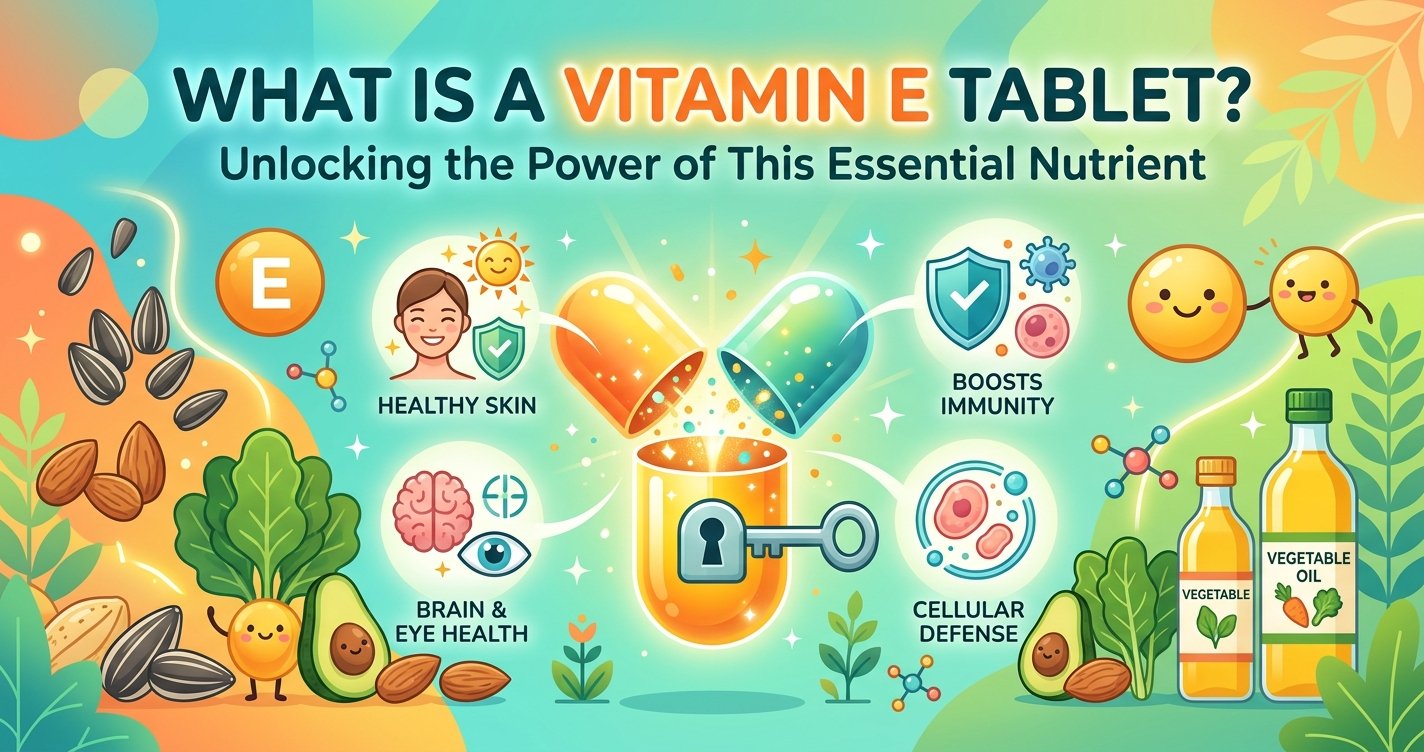
What is a Vitamin E Tablet? Unlocking the Power of This Essential Nutrient
In our pursuit of optimal health and well-being, we often encounter a myriad of vitamins and supplements, each promising unique benefits. Among these, Vitamin E stands out as a fundamental fat-soluble nutrient, lauded for its potent antioxidant properties and widespread impact on various bodily functions. But what exactly is a Vitamin E tablet, and why might it be a valuable addition to your daily regimen? At ToyVista, while our primary focus is on nurturing young minds through educational play, we understand that a foundation of good health is paramount for lifelong learning and development. Just as we advocate for informed choices in educational tools, we believe in empowering you with knowledge about your health.
This comprehensive guide will delve deep into the world of Vitamin E tablets, exploring their composition, benefits, potential uses, and crucial considerations. Whether you're curious about bolstering your immune system, enhancing skin health, or simply understanding more about this vital nutrient, join us as we demystify the Vitamin E tablet.
What Exactly is Vitamin E? The Body's Shield Against Oxidative Stress
Before we explore the tablet form, it's essential to understand Vitamin E itself. Vitamin E is not a single compound but rather a group of eight fat-soluble compounds that include four tocopherols (alpha, beta, gamma, and delta) and four tocotrienols (alpha, beta, gamma, and delta). Of these, alpha-tocopherol is the most biologically active form in humans and the one most commonly found in supplements.
Its primary and most celebrated role is that of a powerful antioxidant. In simple terms, antioxidants protect your body's cells from damage caused by free radicals. Free radicals are unstable molecules generated by normal metabolic processes, as well as by environmental factors like pollution, UV radiation, and cigarette smoke. When free radicals accumulate, they can lead to oxidative stress, a process implicated in aging and the development of various chronic diseases, including heart disease, cancer, and neurodegenerative disorders. Vitamin E steps in to neutralize these harmful free radicals, acting as a crucial defense mechanism for your cellular health.
Beyond its antioxidant prowess, Vitamin E plays a critical role in several other physiological processes, making it an indispensable nutrient for overall health.
Why is Vitamin E So Important for Your Body? A Multitude of Benefits
The benefits of adequate Vitamin E intake extend far beyond its antioxidant function, touching upon various systems within the body. Let's explore some of its key contributions:
The Powerhouse Antioxidant: Protecting Your Cells
As mentioned, Vitamin E is a frontline defender against oxidative damage. It's particularly effective at protecting cell membranes, which are largely composed of lipids, from free radical attack. This protection is vital for maintaining the integrity and function of cells throughout your body, from your skin to your brain and cardiovascular system. By safeguarding cellular health, Vitamin E contributes to the longevity and proper functioning of tissues and organs, playing a preventative role against age-related decline and disease.
Skin Health and Radiance: A Natural Beauty Ally
Vitamin E is a popular ingredient in many skincare products, and for good reason. Its antioxidant properties help protect skin cells from damage caused by UV radiation and environmental pollutants, which can lead to premature aging, wrinkles, and dark spots. When applied topically or taken orally, it can support skin repair, reduce inflammation, and improve skin moisture and elasticity. Many individuals report a healthier, more radiant complexion with consistent Vitamin E intake, making it a natural ally for maintaining youthful and vibrant skin.
Immune System Support: Bolstering Your Defenses
A robust immune system is essential for warding off infections and maintaining good health. Vitamin E plays a significant role in supporting immune function, particularly in older adults. It enhances the production and activity of immune cells, such as T-lymphocytes, which are crucial for fighting off pathogens. By optimizing the immune response, Vitamin E can help your body better defend itself against viruses, bacteria, and other harmful invaders, contributing to overall resilience and vitality.
Eye Health: Protecting Your Vision
The delicate tissues of the eyes are highly susceptible to oxidative stress. Vitamin E, in conjunction with other antioxidants like Vitamin C and beta-carotene, has been studied for its potential role in protecting eye health. Research suggests that adequate intake may help reduce the risk of age-related macular degeneration (AMD) and cataracts, two leading causes of vision impairment and blindness. By safeguarding the cells in the retina and lens from free radical damage, Vitamin E contributes to maintaining sharp and healthy vision as you age.
Cardiovascular Wellness: A Heart-Healthy Nutrient
Oxidative stress is a key factor in the development and progression of cardiovascular diseases, including atherosclerosis. Vitamin E's ability to prevent the oxidation of low-density lipoprotein (LDL) cholesterol (often referred to as 'bad' cholesterol) is particularly relevant here. Oxidized LDL cholesterol contributes to plaque formation in arteries, a hallmark of heart disease. By reducing LDL oxidation, Vitamin E may help maintain healthy blood vessel function and support overall cardiovascular wellness, contributing to a healthier heart.
Brain and Cognitive Function: Fueling a Sharp Mind
The brain is particularly vulnerable to oxidative stress due to its high metabolic rate and rich lipid content. Vitamin E, with its potent antioxidant capabilities, helps protect brain cells from damage, potentially slowing cognitive decline and reducing the risk of neurodegenerative diseases like Alzheimer's and Parkinson's. By preserving neuronal integrity and function, Vitamin E supports memory, focus, and overall cognitive performance. At ToyVista, we understand the profound importance of cognitive development and lifelong learning. Just as a healthy brain provides the foundation for active engagement and problem-solving, educational toys stimulate and enhance these very capacities. Ensuring optimal nutrient intake, including Vitamin E, is a foundational step in supporting a sharp, active mind ready for learning and exploration.
Understanding Vitamin E Tablets: What's Inside and How They Work
When you pick up a Vitamin E tablet or softgel, you're typically looking at a concentrated dose of this essential nutrient. The most common form found in supplements is alpha-tocopherol, but many high-quality supplements also include a blend of mixed tocopherols (alpha, beta, gamma, delta) and sometimes even tocotrienols, to provide a broader spectrum of Vitamin E's benefits.
One crucial distinction to note is between natural and synthetic Vitamin E. Natural Vitamin E is labeled as 'd-alpha-tocopherol' (or d-alpha-tocopheryl acetate/succinate), while synthetic Vitamin E is labeled as 'dl-alpha-tocopherol' (or dl-alpha-tocopheryl acetate/succinate). The 'd' prefix indicates the natural form, which is derived from vegetable oils, while 'dl' indicates the synthetic, petroleum-based form. Studies suggest that natural Vitamin E is more bioavailable and potent, meaning your body absorbs and utilizes it more effectively than the synthetic version. When choosing a supplement, opting for the natural 'd-alpha' form is often recommended for better efficacy.
Vitamin E tablets are typically formulated as softgels, which contain the oil-based vitamin, as it is fat-soluble. They are designed for easy ingestion and efficient absorption, particularly when taken with a meal containing some fat, which aids in its assimilation into the body.
Who Might Benefit from Vitamin E Tablets?
While a balanced diet rich in Vitamin E sources (like nuts, seeds, vegetable oils, and leafy greens) is always the best approach, certain individuals may find Vitamin E tablets beneficial:
- Dietary Deficiencies: Individuals whose diets consistently lack Vitamin E-rich foods may not be getting enough of this crucial nutrient.
- Malabsorption Issues: Conditions that impair fat absorption, such as cystic fibrosis, Crohn's disease, or certain liver diseases, can lead to Vitamin E deficiency as it is a fat-soluble vitamin.
- Increased Oxidative Stress: People exposed to high levels of pollution, smokers, or those with chronic inflammatory conditions might benefit from extra antioxidant support.
- Specific Health Goals: As discussed, those looking to support skin health, immune function, eye health, or cardiovascular wellness might consider supplementation, always in consultation with a healthcare provider.
It's important to remember that supplements are intended to complement, not replace, a healthy diet. Always consult a healthcare professional before starting any new supplement regimen, especially if you have underlying health conditions or are taking other medications.
How to Choose the Right Vitamin E Tablet
Selecting a Vitamin E supplement can seem daunting with so many options available. Here are key factors to consider:
- Natural vs. Synthetic: Prioritize supplements containing 'd-alpha-tocopherol' for better bioavailability.
- Dosage: Common dosages range from 100 IU to 400 IU. The Recommended Dietary Allowance (RDA) for adults is 15 mg (or 22.4 IU) per day. Therapeutic doses for specific conditions can be higher, but always consult a doctor before exceeding the RDA significantly.
- Formulation: Look for supplements that offer 'mixed tocopherols' or even 'tocotrienols' alongside alpha-tocopherol, as these provide a broader spectrum of Vitamin E's benefits.
- Quality and Purity: Choose reputable brands that conduct third-party testing to ensure purity, potency, and absence of contaminants. Look for certifications from organizations like USP or NSF.
- Ingredients: Check for any unnecessary fillers, artificial colors, or allergens if you have sensitivities.
Just as we meticulously research and select the best Vitamin E supplements to nourish our bodies, we at ToyVista advocate for making equally informed choices when it comes to nurturing cognitive development and learning. Providing children with stimulating, high-quality educational tools is an investment in their future, fostering critical thinking, creativity, and problem-solving skills. For example, engaging with something like this top-rated robotic building kit not only provides hours of fun but also lays a strong foundation for STEM learning and innovation. It's about building a healthier, smarter future, one informed choice at a time.
Potential Side Effects and Precautions
While Vitamin E is generally safe for most people when taken at recommended doses, high doses can pose risks. The tolerable upper intake level (UL) for Vitamin E from supplements for adults is 1,000 mg (1,500 IU) per day. Exceeding this limit, especially for prolonged periods, can lead to adverse effects:
- Increased Bleeding Risk: High doses of Vitamin E can thin the blood and interfere with blood clotting. This is particularly concerning for individuals taking anticoagulant medications (blood thinners) like warfarin, or those scheduled for surgery, as it can increase the risk of bleeding and hemorrhaging.
- Digestive Issues: Some individuals may experience mild side effects like nausea, diarrhea, stomach cramps, or fatigue at higher doses.
- Drug Interactions: Beyond blood thinners, Vitamin E can interact with other medications, including chemotherapy drugs and certain cholesterol-lowering drugs. Always inform your doctor about all supplements you are taking.
It is paramount to consult your healthcare provider before starting any Vitamin E supplement, especially if you have a bleeding disorder, are on medication, or have any other medical conditions. They can help determine the appropriate dosage and assess any potential risks based on your individual health profile.
Integrating Vitamin E into a Holistic Lifestyle: Beyond the Pill
While Vitamin E tablets offer a convenient way to ensure adequate intake, it's crucial to remember that they are just one piece of the puzzle. A truly holistic approach to health involves a balanced diet, regular physical activity, sufficient sleep, and mental well-being. Incorporating Vitamin E-rich foods into your diet—such as sunflower seeds, almonds, spinach, avocado, and olive oil—provides not only Vitamin E but also a synergy of other beneficial nutrients, fiber, and antioxidants.
At ToyVista, we believe in nurturing holistic development – mind, body, and spirit. Just as a healthy body provides the foundation for active learning, engaging educational toys stimulate cognitive growth, problem-solving, and creativity. By fostering an environment of curiosity and discovery, we empower children to build skills that last a lifetime. Whether it's ensuring proper nutrition for a healthy body or providing the tools for a developing mind, every choice contributes to a brighter, more capable future.
Conclusion: Empowering Your Health Journey with Informed Choices
Vitamin E tablets, particularly those containing natural d-alpha-tocopherol and mixed tocopherols, can be a valuable supplement for many, offering robust antioxidant protection and support for skin, immune, eye, cardiovascular, and brain health. However, like all supplements, they should be chosen and used wisely, with an understanding of their benefits, potential risks, and interactions. Always prioritize a nutrient-dense diet and seek personalized advice from a healthcare professional to ensure that any supplementation aligns with your specific health needs and goals.
Empowering yourself with knowledge about essential nutrients like Vitamin E is a crucial step in taking charge of your health. By making informed choices, you can support your body's vital functions, enhance your well-being, and lay a strong foundation for a vibrant, healthy life, ready to tackle any challenge or embrace any learning opportunity.


